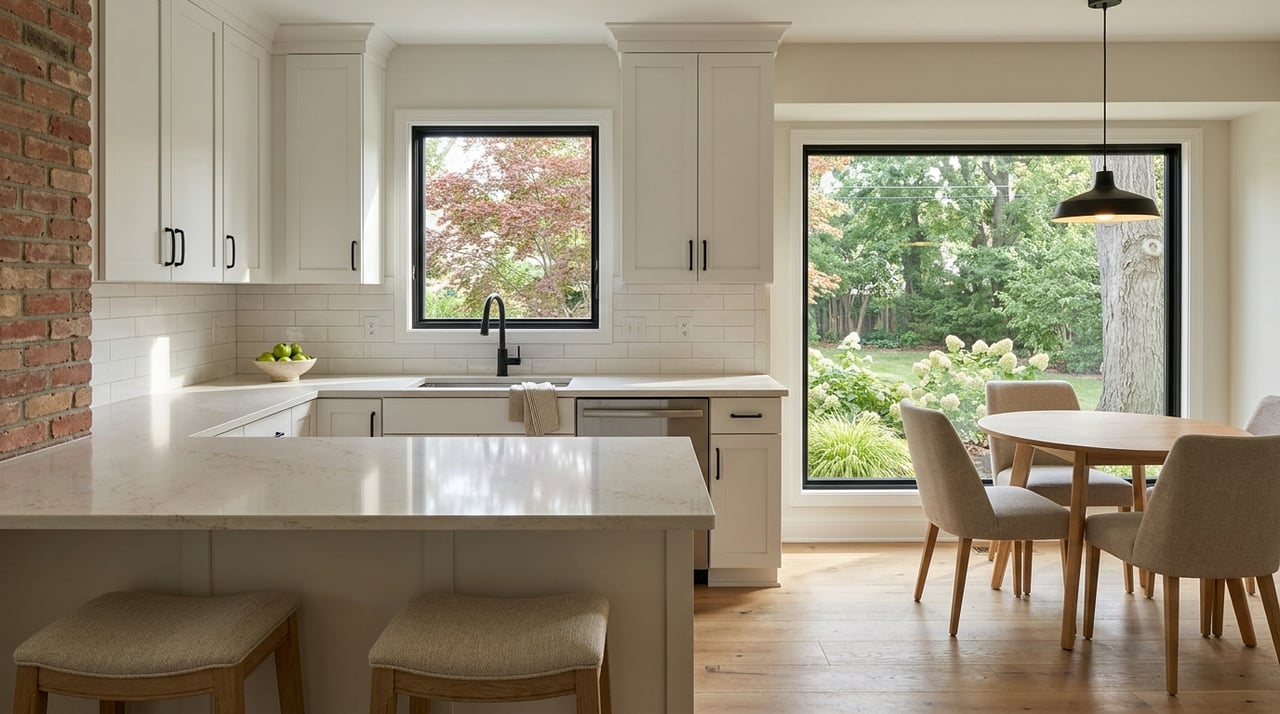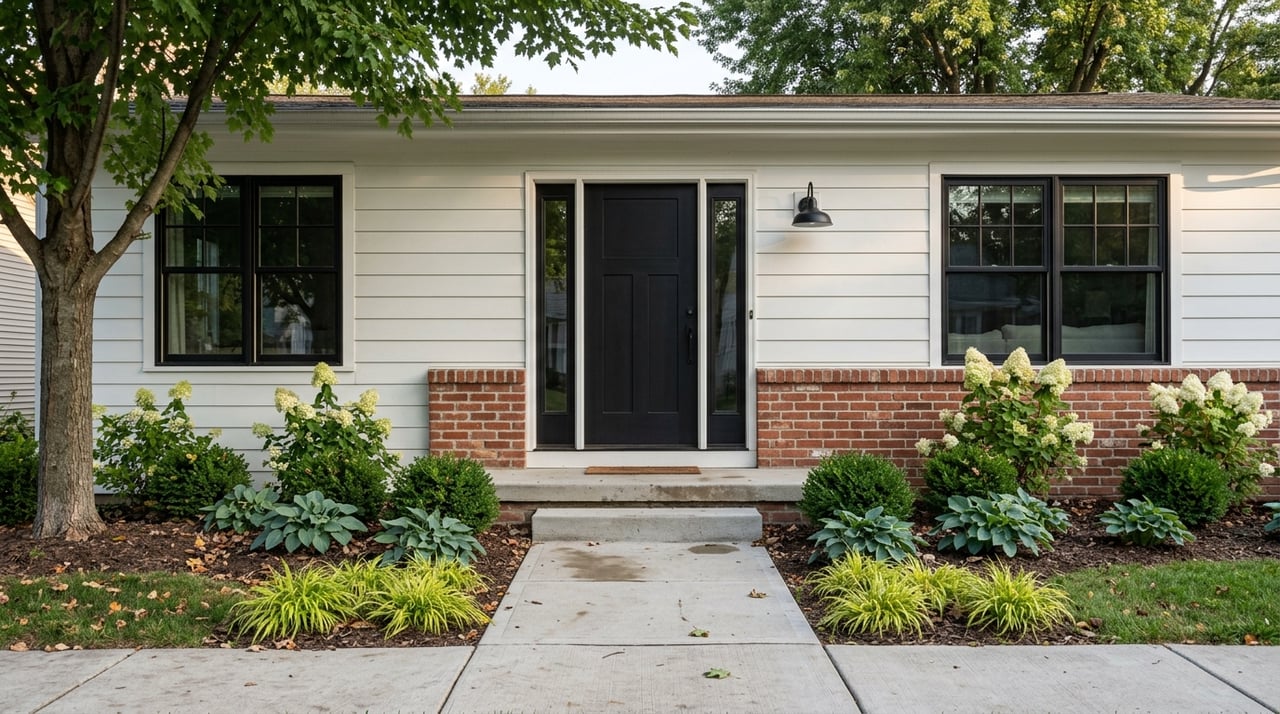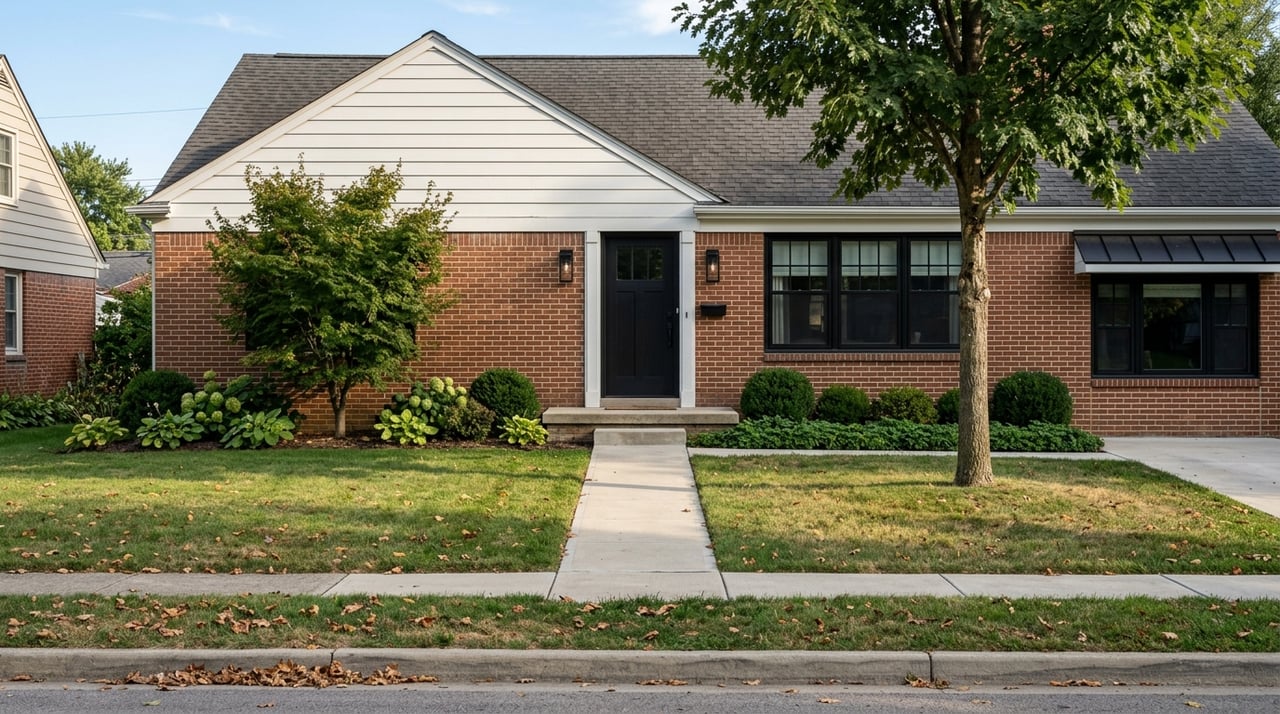
If you are trying to picture West Akron before you buy or sell, you are probably asking a simple question: what does it actually feel like to live there? That matters because a neighborhood is more than a map pin. In West Akron, the answer comes down to older homes, mature trees, nearby parks, and everyday convenience that feels woven into the area instead of built all at once. Let’s take a closer look.
West Akron Has Established Character
West Akron is a defined neighborhood on Akron’s west side, and city planning documents treat Akron neighborhoods as distinct places with their own history and identity. That context matters when you are comparing West Akron to newer areas with more uniform development. It helps explain why the neighborhood often feels rooted and recognizable.
Akron’s housing strategy also shows how established the city’s housing stock is overall. The city reports a median construction date of 1952, with 64% of housing units built before 1960. In West Akron, that older housing pattern supports a sense of long-term character rather than a newer suburban layout.
Home Styles in West Akron
West Akron is best known for older homes with architectural variety. Rather than repeating one home type across every street, the area reflects early- and mid-20th-century design with a mix of materials, rooflines, and details.
The city’s housing strategy identifies parts of West Akron among neighborhoods that may warrant historic-district consideration because of architectural quality. That does not mean every home is historic in a formal sense, but it does show how strongly design and preservation shape the area’s identity.
Revival Styles Stand Out
Across the west side corridor, planning sources point to a wide mix of revival-era architecture. West Akron includes examples of Tudor Revival, Colonial Revival, Georgian Revival, Dutch Colonial Revival, Craftsman, and Prairie styles.
For you as a buyer or seller, that variety is important. It means West Akron is less about a one-size-fits-all look and more about individual homes with their own visual personality.
Stan Hywet Adds to the Identity
One of the area’s most visible architectural landmarks is Stan Hywet Hall & Gardens on North Portage Path. The Manor House is described by its own history as one of the finest examples of Tudor Revival architecture in America.
That landmark helps reinforce the west side’s long-standing architectural identity. Even if you are not shopping for a grand historic estate, the presence of a well-known property like Stan Hywet supports the broader feeling many people describe as “old Akron” character.
What West Akron Homes Tend to Feel Like
In practical terms, West Akron often feels like a neighborhood of homes with craftsmanship, period details, and visual variety. You may notice differences in facades, porches, windows, brickwork, and rooflines from one block to the next.
That kind of variation can appeal to buyers who want a home that feels distinctive rather than interchangeable. For sellers, it can also shape how a property is positioned, since buyers often respond strongly to character, setting, and curb appeal in established neighborhoods.
Tree Canopy Shapes the Streetscape
A big part of West Akron’s neighborhood feel comes from its mature streets. Akron’s 2020 urban tree canopy assessment lists West Akron at 34.23% tree canopy based on 2018 study data.
That number becomes even more meaningful when you compare it with nearby west-side neighborhoods such as Wallhaven at 40.53% and Merriman Hills at 62.34%. Together, those figures help explain why the west side often feels shaded, settled, and well-established.
Why Trees Matter to Buyers
Tree canopy is not just a planning statistic. It affects how streets look and feel when you drive through, walk the block, or pull up to a home for the first time.
In West Akron, mature trees can contribute to a calmer, more layered setting. Combined with older homes and varied lot patterns, they support a neighborhood atmosphere that feels lived-in rather than newly built out.
Park Access Adds Everyday Value
For many buyers, access to green space matters just as much as the house itself. West Akron benefits from proximity to Sand Run Metro Park, which Summit Metro Parks describes as a 998-acre park with multiple areas and trailheads in Akron and Fairlawn.
That kind of park access adds real lifestyle value. It gives you nearby options for walking, running, and casual outdoor time without needing to plan a full day trip.
Sand Run Is Useful Year-Round
Sand Run Metro Park includes a 7-mile Jogging Trail, and the park also offers a one-mile accessible segment from the Old Portage Area that is plowed in winter. That year-round usability is part of what makes the park so appealing for everyday routines.
If you picture your ideal neighborhood as one where you can mix residential living with easy outdoor access, West Akron has a strong case. The park helps anchor that experience.
Shopping and Dining Feel Neighborhood-Based
West Akron’s daily convenience is shaped more by corridors than by one large central district. Nearby Highland Square, in the West Market Street area, is described by the Akron/Summit visitor bureau as a place with unique shops, galleries, restaurants, and other finds.
That supports the idea that West Akron errands and outings are often spread across nearby commercial streets. Instead of a single mall-centered pattern, you get a more neighborhood-based rhythm.
How West Akron Compares to Fairlawn
Fairlawn offers a different kind of convenience. The Copley/Fairlawn area is presented as a shopper-oriented destination, and Summit Mall is described as Akron’s premier shopping and family entertainment destination with more than 100 specialty shops and multiple dining options.
If you prefer a more retail-centric environment, Fairlawn may feel like the stronger fit. If you prefer a residential setting with nearby shopping and dining woven into surrounding corridors, West Akron often feels more balanced.
How West Akron Compares to Cuyahoga Falls
Cuyahoga Falls has a different lifestyle pattern again. The city describes its downtown as a place for shopping, dining, festivals, and year-round social activities, with features like a pavilion, amphitheater, riverfront boardwalk, and fountains.
That gives Cuyahoga Falls a more entertainment-driven downtown identity. West Akron, by contrast, reads more as a historic residential neighborhood with convenient access to shopping and dining nearby.
Getting Around West Akron
Commute and transportation options matter, especially if you are balancing work, errands, and daily routines. METRO RTA, Summit County’s public transportation provider, shows several west-side routes that serve the area, including Route 1 West Market, Route 10 Howard/Portage Trail, Route 26 Delia/White Pond, and Route 27 W. Exchange/Merriman Valley.
That network can be more useful than some buyers expect. METRO NEXT also provides on-demand service that connects suburban and rural areas to the fixed-route system across Summit County.
Who West Akron Often Appeals To
West Akron often stands out for buyers who want older homes, shaded streets, and nearby park access. It can also appeal to people who like the idea of practical convenience without giving up neighborhood character.
If you are comparing several Akron-area options, West Akron offers a distinct combination. It is not primarily a major retail hub like Fairlawn, and it is not defined by a riverfront downtown like Cuyahoga Falls. Its appeal is more about established residential identity, architectural variety, and everyday livability.
Bottom Line on West Akron’s Feel
If you want the short version, West Akron tends to feel established, architecturally varied, tree-shaded, and convenient. It offers a west-side Akron setting with older housing character, strong access to green space, and shopping and dining corridors nearby.
That can make it a compelling option if you value neighborhood texture over a more uniform, newer-build environment. And if you are preparing to buy or sell in West Akron, understanding that feel is often the first step toward making a smart move.
If you want help understanding how West Akron compares with nearby Akron neighborhoods, or you need local guidance on buying or selling with a clear plan, connect with Shelly Booth.
FAQs
What home styles are common in West Akron?
- West Akron is known for older, architecturally varied homes, with examples of Tudor Revival, Colonial Revival, Georgian Revival, Dutch Colonial Revival, Craftsman, and Prairie styles.
What does the West Akron neighborhood feel like?
- West Akron generally feels established, tree-shaded, and character-rich, with older homes, mature streetscapes, and nearby access to shopping, dining, and parks.
How old are many homes in West Akron?
- Akron’s housing strategy reports a citywide median construction date of 1952, and 64% of housing units were built before 1960, which supports West Akron’s older, established feel.
Is West Akron close to parks and outdoor space?
- Yes. Sand Run Metro Park is nearby, with 998 acres, multiple trailheads, a 7-mile Jogging Trail, and an accessible segment that is plowed in winter.
How is West Akron different from Fairlawn?
- West Akron is more of a historic residential neighborhood with corridor-based shopping and dining, while Fairlawn is more retail-focused and centered around larger shopping destinations like Summit Mall.
How is West Akron different from Cuyahoga Falls?
- West Akron is more residential and character-driven, while Cuyahoga Falls has a more active downtown and riverfront setting with festivals, dining, and entertainment features.
Does West Akron have public transportation options?
- Yes. METRO RTA serves the west side with routes including West Market, Howard/Portage Trail, Delia/White Pond, and W. Exchange/Merriman Valley, along with METRO NEXT on-demand connections.