Thinking about living near downtown Cuyahoga Falls? If you want a home base where restaurants, riverfront trails, events, and everyday conveniences are close together, this part of the city can feel very different from a more typical suburban setup. The key is knowing what kind of housing is here, what daily life really looks like, and what tradeoffs come with that location. Let’s dive in.
What living near downtown feels like
Downtown Cuyahoga Falls has a more active, mixed-use feel than many nearby residential areas. City and downtown materials describe it as a place where breweries, coffee shops, boutiques, bars, parks, trails, and other amenities are within about a mile walk of the center. That creates a lifestyle where you can do more without getting in the car for every stop.
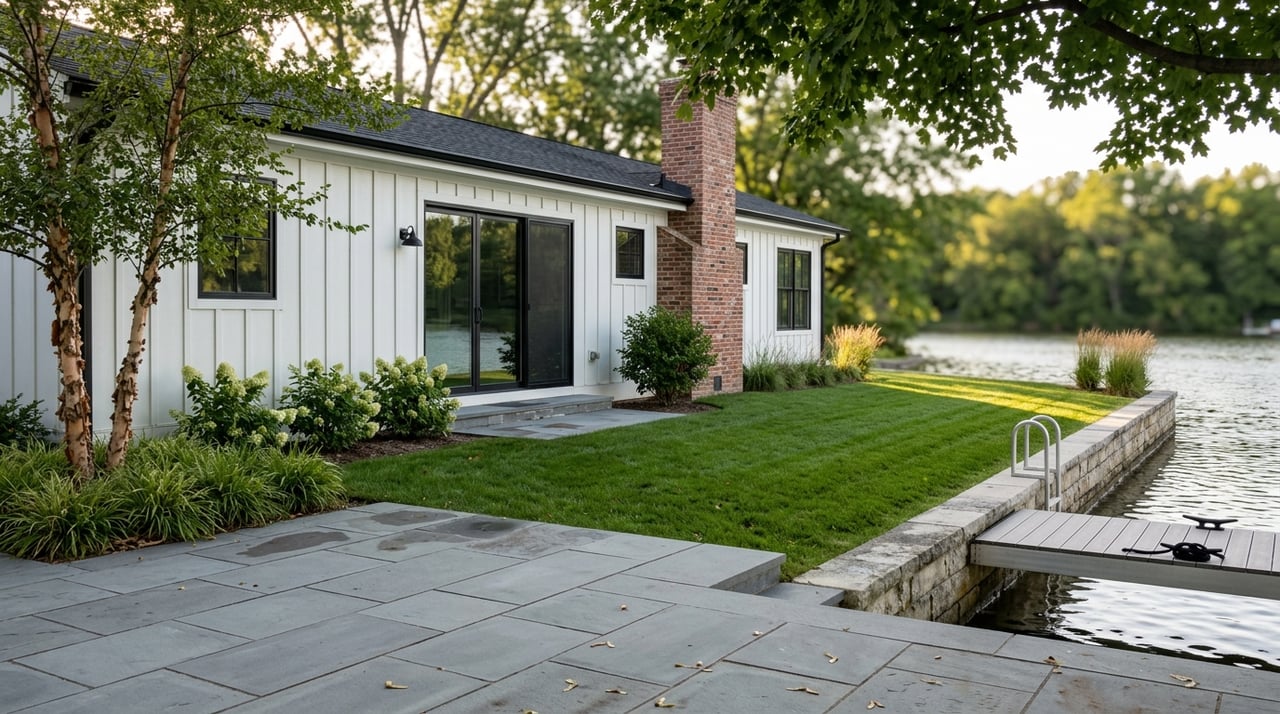
The area also has a strong riverfront identity. Public investment has centered on Front Street, the historic district, and the edge of the Cuyahoga River, which gives downtown a distinct sense of place. If you like a setting with visible public spaces, pedestrian activity, and a connection to the water, that is a big part of the appeal.
Downtown is not being positioned as a single-purpose shopping strip. Official materials highlight free Wi-Fi, a history trail, public art, pocket parks, a splash pad, and free deck parking for city-sponsored activities. In practical terms, that means your lifestyle near downtown can feel more connected to public amenities and community events than in quieter, lower-activity residential pockets.
Housing options near downtown
If you picture downtown housing as only apartments, that is not the full story. Cuyahoga Falls remains mostly single-family overall, but the city points to a wider range of housing choices, especially in and around the downtown core. That mix includes renovated historic buildings, luxury apartments, townhomes, and mixed-use upper-floor housing.
Some of the most visible downtown housing reflects adaptive reuse and newer infill. The city specifically notes four luxury apartments above the renovated Falls Theater and a conversion project that created 38 luxury apartments with office space on the ground floor. Planning documents also show a proposed 10-unit townhome building at Front Street and Oakwood, along with additional mixed-use opportunities that could include housing above retail or office space.
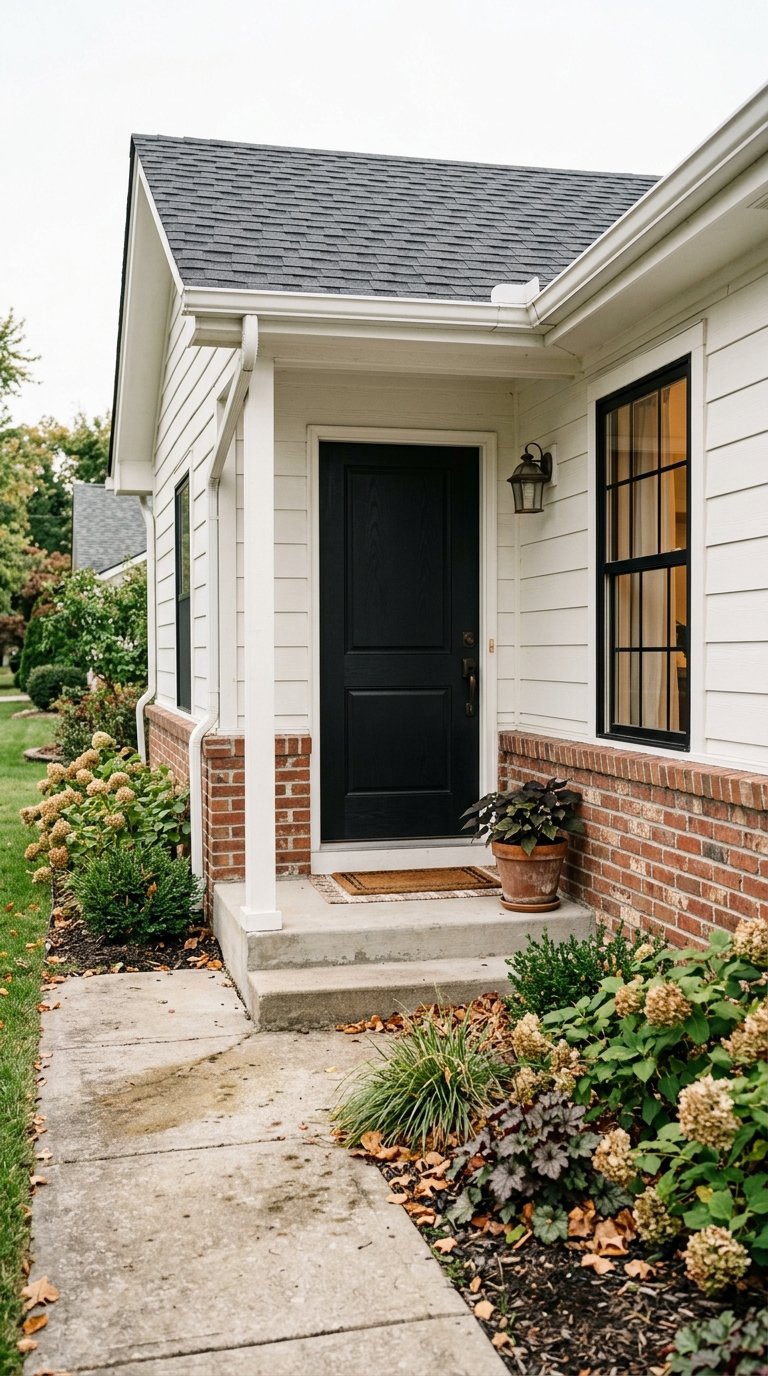
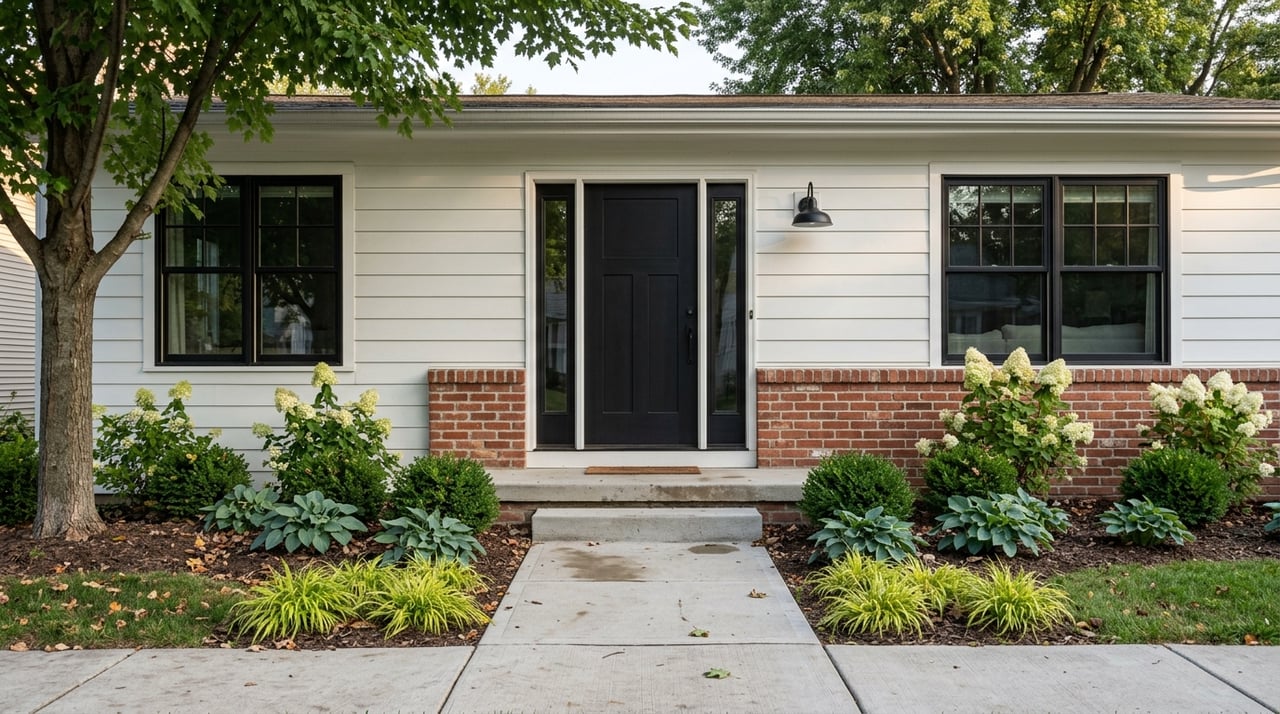
For buyers, this means the housing stock can vary a lot by block and building type. You may find older properties with historic character, newer apartment-style options, or homes just outside the busiest streets that still keep you close to downtown amenities. If you are comparing neighborhoods, it helps to think less in terms of one uniform housing style and more in terms of a small area with several living options.
Price context for Cuyahoga Falls
Citywide, Zillow reported an average home value of $213,993 in Cuyahoga Falls as of March 31, 2026, up 4.5% year over year. The same snapshot said homes were going pending in around 7 days, which suggests a market where well-positioned homes can move quickly. Average rent was reported at $1,582.
Downtown-specific pricing can be harder to pin down because the housing mix is so varied. Older homes, renovated historic spaces, luxury apartments, and newer mixed-use residences do not all compete in the same way. In other words, your price point near downtown may depend as much on property style and renovation level as it does on square footage alone.
That is especially important if you are a first-time buyer trying to compare downtown-adjacent options with more traditional neighborhoods elsewhere in Cuyahoga Falls. A lower-maintenance condo-style or apartment-style setup may offer a different lifestyle value than a detached home a little farther out. The right fit depends on whether you prioritize walkability, home type, or long-term renovation goals.
Tax incentive details to know
One local perk worth noting is the city’s Residential Tax Incentive Program for qualifying owner-occupied homes within the Cuyahoga River CRA. According to the city, eligible homeowners can receive abatements on certain improvements for up to seven years at up to 75%. Historic-home improvements can qualify for 100% abatement for seven years.
If you are looking at an older property near the river or downtown core, this could matter when you think about updates and long-term costs. Not every home will qualify, and program rules matter, so it is something to verify early if you are considering a property that may need work. Still, it is a meaningful piece of the downtown ownership picture for some buyers.
Riverfront lifestyle and outdoor access
One of the strongest reasons people look near downtown Cuyahoga Falls is easy access to the river and nearby recreation. The city’s RiverLoop project is designed to connect Front Street at Broad Boulevard and Oakwood Drive while accommodating pedestrians, strollers, wheelchairs, bicycles, and surreys. That points to a downtown built not just for visitors, but for everyday use.
Paddle Park adds another riverfront amenity right at Front Street and Portage Path. The city also identifies tubing, kayaking, and canoeing as part of the Cuyahoga Falls river experience, and Northampton Point provides access to the Cuyahoga River Water Trail. If you enjoy being close to outdoor activity without giving up urban convenience, that combination is a real draw.
Gorge Metro Park is another major nearby asset. Its main entrance is on Front Street, and Summit Metro Parks says it offers boating, fishing, scenic hiking, picnic areas, and restrooms near the gorge. Downtown partnership materials also say the Gorge is less than a mile away and Cuyahoga Valley National Park is less than 15 minutes from downtown.
That last point stands out for buyers who want flexibility in their routine. You can be close to restaurants and events, then still have quick access to the Towpath Trail and more than 125 miles of hiking trails in Cuyahoga Valley National Park. Few small-city downtown areas pair that kind of walkable core with this level of outdoor access nearby.
Dining, shopping, and daily convenience
Downtown Cuyahoga Falls offers a compact but varied mix of dining and retail. The official directories list coffee shops, cocktail spots, river-view dining, brewery-style destinations, late-night options, boutiques, antiques, books, candles, apparel, accessories, and vintage goods. Examples named by the downtown partnership include Asterisk Coffee Bar, Beau’s on the River, Boss ChickNBeer, Moe’s Restaurant, and Oak + Olive.
That kind of mix can shape your day-to-day life more than you might expect. Instead of planning a whole outing around one destination, you can often combine errands, meals, and leisure time in the same district. For many buyers, that is the biggest difference between living near downtown and living in a more car-dependent area.
The downtown Designated Outdoor Refreshment Area also adds to the district’s social feel. It operates daily from 10 a.m. to 10 p.m. and allows patrons to walk with approved drinks within the district. The downtown partnership notes that fees collected on DORA cups support events, beautification, volunteer efforts, and local collaborations.
Events create an active rhythm
If you are trying to picture daily life near downtown, the event calendar matters. The city’s 2026 schedule includes Riverfront Cruise In on Mondays from June through August, Picnic In The Park from June 3 to July 22, Falls Downtown Fridays on first Fridays from June through August, Front Street Live on Fridays from June 5 through August 14, and Flix on the Falls on Fridays from June 26 through July 31.
Seasonal events add even more activity. Current downtown pages also list Riverfront Irish Festival for June 12 through 14 and Festa Italiana for July 17 through 19, both with free parking and free admission. If you enjoy living near places that regularly host community activity, downtown Cuyahoga Falls offers a full calendar.
That said, this is a feature only if it matches your lifestyle. Some buyers love the energy of frequent events, public spaces, and foot traffic. Others may prefer a quieter street pattern with less activity close to home.
A few tradeoffs to consider in 2026
No neighborhood is all upside, and it helps to go in with clear expectations. The city says Phase 2 work on the south end of Front Street and RiverLoop is underway, with completion anticipated by Labor Day 2026. During construction, some South Front Street blocks have traffic changes and on-street parking restrictions.
The city also says access to local businesses is being maintained. Even so, if you are touring homes or spending time downtown in 2026, you should expect some temporary inconvenience. For many buyers, that may feel like a short-term tradeoff for long-term riverfront and streetscape improvements.
Another consideration is pace. Downtown living here is likely a better fit if you want activity, walkability, and nearby amenities rather than a quieter suburban street experience. Neither is better, but they are different, and your comfort with that difference matters.
Who downtown Cuyahoga Falls fits best
Living near downtown may be a strong match if you want to stay close to restaurants, river access, parks, and community events. It can also appeal to buyers who like a more urban feel in a small-city setting, especially if they want housing choices beyond the standard single-family pattern. For some people, being near the action is exactly the point.
It may be especially appealing if you are an early-career buyer, a downsizer looking for convenience, or a relocating buyer who wants an easy place to explore on foot. The ability to walk to coffee, events, trails, and public spaces can make it easier to feel connected to a new area quickly. And if outdoor recreation is high on your list, the nearby river, Gorge, and national park access are hard to ignore.
If you are weighing downtown Cuyahoga Falls against other Akron-area neighborhoods, the best next step is to compare homes through the lens of your daily routine. Think about how often you want to walk to dining, how much activity you enjoy around home, and whether you would use the riverfront and trail access often. Those details usually tell you more than price alone.
If you want help comparing downtown Cuyahoga Falls with other nearby neighborhoods, or you want a local perspective on which housing type fits your goals, Shelly Booth can help you sort through the options with clear, practical guidance.
FAQs
What types of homes are near downtown Cuyahoga Falls?
- Near downtown Cuyahoga Falls, you can find a mix of renovated historic buildings, luxury apartments, townhomes, mixed-use upper-floor housing, and nearby single-family homes depending on the block and location.
What is the lifestyle like near downtown Cuyahoga Falls?
- Living near downtown Cuyahoga Falls tends to feel active and walkable, with restaurants, shops, public art, parks, riverfront amenities, and community events all close together.
Is downtown Cuyahoga Falls more urban or suburban?
- Downtown Cuyahoga Falls generally feels more urban than surrounding residential areas because it has a mixed-use core, a walkable layout, and frequent public activity, though it still sits within a smaller city setting.
What outdoor amenities are close to downtown Cuyahoga Falls?
- Outdoor amenities near downtown Cuyahoga Falls include RiverLoop, Paddle Park, access to tubing and paddling on the Cuyahoga River, Gorge Metro Park, and quick access to Cuyahoga Valley National Park.
Are there any temporary construction impacts in downtown Cuyahoga Falls?
- Yes. In 2026, the city says some South Front Street blocks have traffic changes and on-street parking restrictions during Phase 2 downtown and RiverLoop construction.
Are there tax incentives for homes near downtown Cuyahoga Falls?
- Some qualifying owner-occupied homes within the Cuyahoga River CRA may be eligible for the city’s Residential Tax Incentive Program, including abatements on certain improvements for up to seven years.