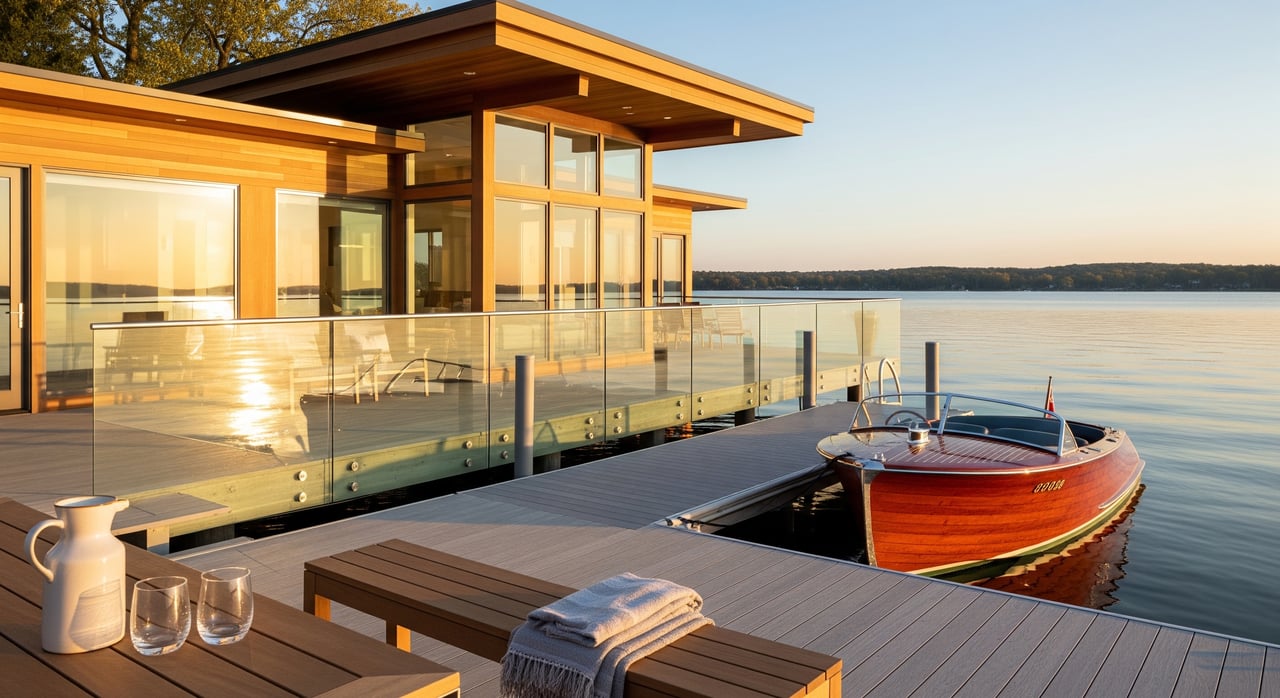
Ever wonder what it really feels like to live on the water in Portage Lakes? Picture mornings with quiet coves and kayak-friendly glassy water, then lively afternoons when pontoons and wake boats cruise by. If you are daydreaming about a place where summer energy meets peaceful shoulder seasons, this guide is for you. You will learn how life flows through the year, what types of homes and lots you will find, and the practical steps to take before you buy. Let’s dive in.
Portage Lakes at a glance
Portage Lakes is a cluster of connected inland lakes and reservoirs in Summit County, close to Akron. Neighborhoods around the shoreline blend year-round homes with some seasonal properties, plus small commercial pockets along main roads. The vibe is casual and social near the water during warm months, with a quieter pace on weekdays and in the off-season. Multiple jurisdictions and community groups influence zoning, permits, docks, and neighborhood events.
Seasonal rhythms on the water
Spring: ramp up and repair
Spring is when many owners prep for the season. You will see boats coming out of storage, docks being repaired, and bulkheads getting attention after winter. Fishing often improves as water temperatures rise, and shore fishing becomes more active.
Summer: peak lake life
Summer is the main event. Powerboating, wakeboarding, water-skiing, pontoon cruising, kayaking, canoeing, and paddleboarding fill the calendar. Local marinas and restaurants stay busy, and neighborhoods gather for cookouts and dockside hangouts. Expect more boat traffic and wake noise during weekend peak hours, along with no-wake zones and speed rules that are enforced in certain areas.
Fall: calm water, great views
As temperatures cool, boat traffic eases and fishing remains popular. Many residents winterize boats and lifts, and secure docks before the first hard freeze. Foliage makes waterfront walks and porch time especially scenic.
Winter: quiet beauty and ice safety
When conditions allow, you might see ice fishing and skating. Ice thickness can vary widely, so safety notices from local authorities matter. Some homes are winterized and quiet, while many permanent residents enjoy a low-key season with clear views across the water.
Water quality and advisories
Warm months can bring algal blooms in inland Ohio waters. Public agencies may post advisories or issue guidance that can affect swimming or other water use. It is smart to check current notices before planning water activities.
Home styles and lot types
Common home styles
- Lake cottages and bungalows: Often mid-20th-century builds, many renovated for year-round comfort.
- Ranch and split-level homes: Practical for sloped lots and common in mid-century neighborhoods.
- Two-story Colonial and contemporary homes: Newer infill or rebuilds, including some with modern layouts.
- Custom or luxury waterfront builds: Larger homes on premier lots with upgraded shoreline features.
Water access types
- Waterfront (riparian) lots: Direct shoreline ownership with immediate access and a private dock where permitted. Width, orientation, and water depth vary by parcel.
- Canal or channel-access lots: Homes on side channels that lead to the main lakes. These often offer sheltered mooring and a quieter feel.
- Water-view or inland lots: Homes with views rather than direct access. These can reduce maintenance and purchase cost compared with true waterfront.
- Peninsula or point lots: Premium positions with multiple water exposures and broad views.
- Shared-access or association lots: HOA communities may include shared docks, slips, or a neighborhood beach.
Shoreline features to expect
- Private docks, boat lifts, and in some cases boathouses, where allowed by local rules.
- Bulkheads or retaining walls to manage erosion, along with terraced landscaping.
- Driveways, stairs, and landings designed for elevation changes on sloped sites.
- A mix of municipal sewer and private septic. Sewer availability varies by area.
Buyer checklist for lake living
Access and boating rights
Confirm how you reach the water. Look for language in the deed that spells out deeded waterfront, easements, or shared access through an HOA. If the home relies on a community dock, verify slip availability, rules, and any fees. Ask about boat registration, safety equipment requirements, and local speed or no-wake zones.
Flood risk and insurance
Check the parcel’s flood status on current maps. Waterfront or low-lying lots can fall within special flood hazard areas that require flood insurance. Premiums and coverage terms can affect your total monthly costs, so request quotes early in your search.
Utilities, septic, and wells
Find out whether the property connects to municipal water and sewer or relies on a septic system and possibly a private well. For older homes, ask for septic records and plan for a professional inspection. Replacement planning and future maintenance costs are important to budget.
Zoning, setbacks, and permits
Different townships and municipalities set rules for shoreline setbacks, accessory structures, lot coverage, and height. Dock, lift, and boathouse projects usually need permits. Shoreline alterations, such as riprap or bulkhead repair, can involve both local and state approvals.
Environmental and water quality
Ask about recent advisories, invasive vegetation, and any history of water-quality issues in the cove or channel you are considering. If you plan shoreline work, confirm permitting steps and seasonal restrictions. Habitat-friendly, native plant buffers are often encouraged to protect water quality and control erosion.
Seasonal costs and maintenance
Waterfront living comes with recurring tasks. Budget for dock and lift upkeep, winterization of boats and plumbing, and shoreline repairs over time. Landscaping near the water may have guidelines to limit fertilizer use and runoff.
Noise and activity levels
Summer weekends bring more traffic on the water and a social atmosphere. Visit potential homes on a sunny Saturday and a weekday evening to gauge fit. Pay attention to sound from nearby channels, public launches, and restaurants with water access.
Resale and market considerations
Waterfront, canal, and water-view properties each carry different price dynamics and demand. Lot width, water depth at the dock, exposure to wind and wake, and overall condition can shape value. Study comparable lake properties when you weigh your options.
How Shelly helps you buy
You deserve guidance from someone who lives and works where you want to be. With a concierge approach, Shelly streamlines every step, from search to close. You get clear advice on lot types, dock rights, and maintenance, plus help coordinating inspections and permit research.
Shelly’s tech-forward tools make it easy to explore homes from anywhere. You can review MLS-powered virtual tours and professional photography, then tour in person with a focused short list. If you are relocating, Shelly manages logistics with trusted vendors and responsive communication so you stay confident and informed.
When it is time to negotiate, Shelly pairs local knowledge with a calm, steady strategy. If you plan to sell a current home, she coordinates staging and repairs, then leverages polished marketing. For higher-end properties, Coldwell Banker Global Luxury channels can extend your reach to qualified buyers.
Is Portage Lakes a fit for you?
If you love active summers on the water and a quieter rhythm in the off-season, Portage Lakes can feel like the best of both worlds. You will find everything from updated cottages to custom builds, from true waterfront to relaxed water-view options. The key is to match your lifestyle and maintenance preferences with the right lot and access.
Curious which coves and channels fit your goals, budget, and comfort level with activity? A local guide can help you weigh tradeoffs and plan for long-term upkeep. If you are ready to explore, reach out for tailored advice and a clear path forward.
Ready to start your Portage Lakes search or get your current home market-ready? Connect with Shelly Booth for a local plan that fits your timing and goals.
FAQs
Who governs docks and boating rules in Portage Lakes?
- Multiple local jurisdictions and state agencies oversee zoning, dock permits, boat registration, and safety requirements. Verify with the township or city and the appropriate state office.
What dock types are typically allowed on Portage Lakes?
- Private docks and lifts are common, but size, placement, and setbacks depend on local rules and permits. Always confirm with the governing zoning office and any HOA.
How do algal blooms affect summer lake use?
- Warm months can bring algal blooms that trigger public advisories. Check current notices from environmental and health agencies before swimming or drawing lake water.
Are many Portage Lakes homes on septic systems?
- Sewer availability varies by area, and many lake-adjacent homes use septic. Ask for records and plan for a professional inspection during due diligence.
Do I need flood insurance for a waterfront home?
- It depends on the parcel’s flood zone. Review official flood maps and consult an insurer to understand coverage requirements and costs.
How loud is summer weekend activity on the water?
- Expect a social, busy feel on warm weekends and holidays, with quieter weekdays and off-season months. Visit at different times to gauge your comfort with activity levels.
Can I find year-round homes, not just cottages?
- Yes. The area includes renovated cottages, mid-century homes, newer construction, and custom builds. Many properties are designed for year-round living.