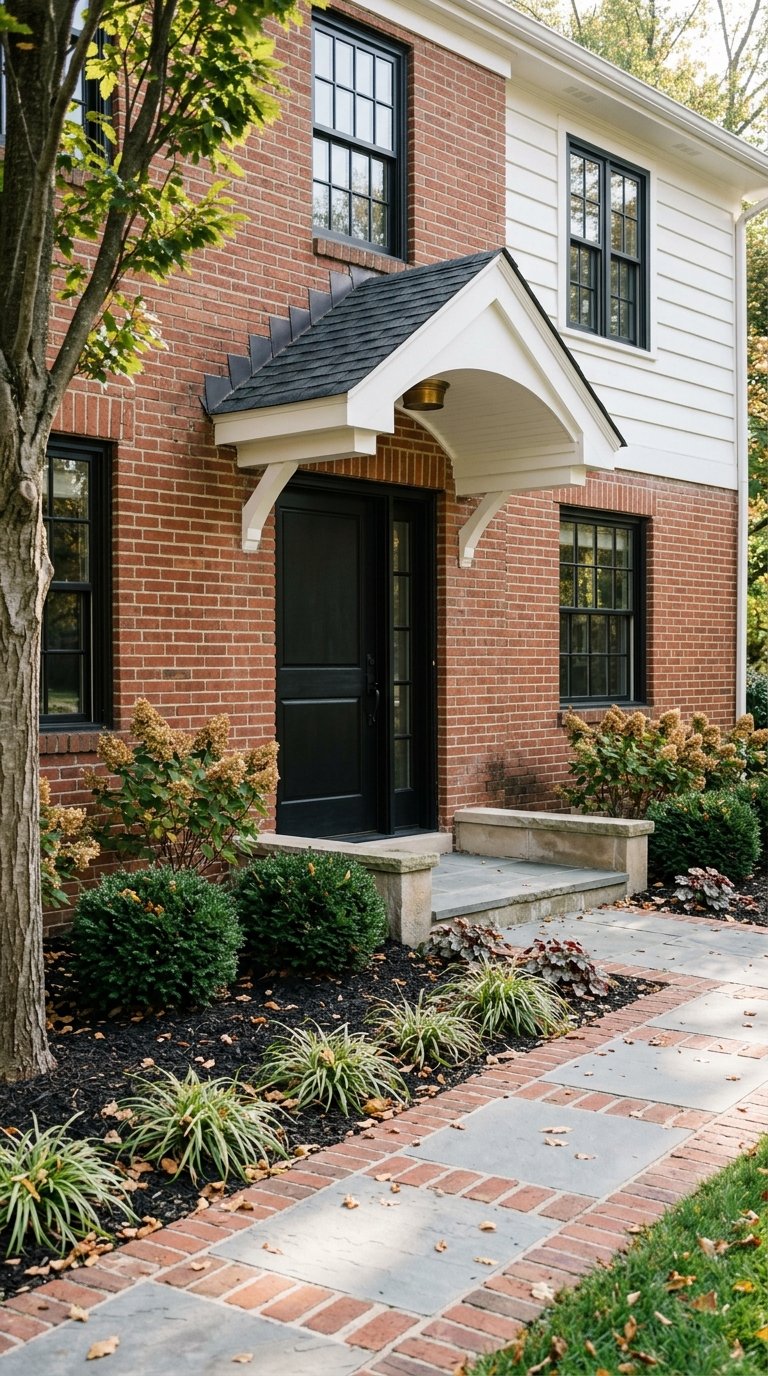
If you are drawn to places with real character, Chagrin Falls has a lot to love. This village blends a historic downtown, a walkable street pattern, and a wide mix of home styles that make each block feel distinct. If you are thinking about buying or selling here, understanding how that charm was built can help you make smarter decisions. Let’s take a closer look.
Why Chagrin Falls Feels So Distinct
Chagrin Falls was settled in 1833 and incorporated in 1844, and that long history still shows up in the way the village looks and functions today. According to the Village of Chagrin Falls, the community grew around the Chagrin River, a natural waterfall and dam, and an early mill economy.
That origin story matters because it helps explain the village’s layout. The village notes that its 1837 street plan still reads as a traditional grid that connects residential areas to the downtown core, which gives Chagrin Falls a more connected, pedestrian-friendly feel than many newer communities.
The village also describes itself as walkable, architecturally intriguing, and supportive of older architecture, independent Main Street businesses, and a small-town scale. For you as a buyer or seller, that means the appeal is not just one pretty street. It is the experience of living in a place where the historic setting still shapes daily life.
Historic Character Across the Village
One of the most interesting things about Chagrin Falls is that its historic identity extends beyond downtown. The Chagrin History Center identifies three historic districts: the West Side Historic District, the Triangle Park Commercial District, and the East Side Historic District.
The West Side Historic District is bounded by Franklin, Maple, Church, and East Washington Streets. The Triangle Park Commercial District centers on Main, Franklin, and Washington Streets, while the East Side Historic District is centered on East Washington and Philomethian Streets.
Those districts were recognized in different years, with the West Side and Triangle Park districts listed in 1974 and the East Side district listed in 2013. In practical terms, that broad preservation footprint helps explain why so much of the village feels visually connected, even when you move from commercial blocks to residential streets.
Home Styles You May See in Chagrin Falls
Chagrin Falls is not a one-style village. The ARB Design Guidelines describe an architectural sequence that starts with Greek Revival, then moves through Gothic Revival and Italianate, followed by Queen Anne homes in the 1890s and practical 20th-century bungalows.
The same guidelines also explain that the village includes high-style, vernacular, and transitional buildings. That is a big reason why the housing stock often feels layered and interesting rather than overly uniform.
Greek Revival Homes
Greek Revival homes represent some of the village’s earlier residential architecture. The Chagrin History Center’s historic homes materials point to classic symmetry and early-1840s origins as key traits.
If you are touring older homes, this style may stand out for its balanced appearance and simpler, formal lines. These homes often appeal to buyers who appreciate historic details without a lot of ornament.
Italianate Homes
Italianate architecture adds more decorative flair. According to the same historic homes resource, common visual cues include brackets, bay features, gingerbread trim, and belvederes.
This style can feel especially dramatic from the curb. For buyers, that often translates to memorable exterior character. For sellers, it can mean architectural details are a major part of the home’s marketing story.
Queen Anne Homes
Queen Anne homes are often among the most eye-catching in any historic village. In Chagrin Falls, the home-tour materials highlight features like turrets and wraparound porches.
These homes tend to offer the kind of visual personality that people remember after a showing. Their appeal often comes from a mix of texture, shape, and distinctive exterior details.
Arts and Crafts, Four Square, and Bungalows
As the village developed into the 20th century, home styles shifted too. The historical materials note the presence of Arts and Crafts examples, Four Square homes, Shingle-style influences, and practical bungalows.
For many buyers, these homes strike a nice balance between period charm and more straightforward everyday livability. They can feel a little less ornate while still reflecting the village’s historic fabric.
Why Downtown Has Such a Timeless Look
Chagrin Falls’ charm is not just residential. Downtown plays a major role in the village’s identity, and its architecture tells a story of change and resilience.
According to the Chagrin Falls home-tour guide, commercial buildings shifted from wood to brick after repeated fires. Many downtown structures were rebuilt between 1860 and 1875 using local clay, which helps explain the solid, historic feel of the business district today.
That brick-built backdrop matters because it strengthens the sense of place. When you walk through downtown, the architecture feels grounded and cohesive, not manufactured or recently staged to look old.
Walkability Adds to the Appeal
Historic charm tends to feel more meaningful when you can actually experience it on foot. In Chagrin Falls, walkability is part of the everyday appeal.
The village describes Triangle Park as the heart of downtown and the village square, with a historic bandstand or gazebo, brick-paved pathways, and planted gardens. The same village information notes that Riverside Park sits along the Chagrin River downtown, while the Falls Viewing Area gives direct access to the lower falls.
The village also highlights the Arboretum and River Walk Trail, a 1-mile loop that begins downtown and returns back through the area. These public spaces help connect architecture, nature, and daily activity in a way that makes the village feel lived in rather than simply admired.
Practical details support that experience too. The village’s parking information notes free three-hour parking along the main shopping district, two free all-day lots, and additional metered parking on side streets.
That setup helps keep downtown accessible while reinforcing its pedestrian-friendly feel. A recent Walk to School–Walk to Town Day highlighted the community’s walkable pattern by celebrating the ability to walk to schools, shops, parks, and businesses.
What Buyers Should Know About Older Homes
If you are considering a historic or older home in Chagrin Falls, charm is only part of the picture. It is also important to understand how the village approaches maintenance and exterior changes.
The design guidelines state that exterior work should fit the existing streetscape, including massing, proportion, setback, roof shape, texture, scale, and details. The village also requires design review before altering, enlarging, moving, or demolishing a structure.
That does not mean owning an older home has to be complicated. It does mean you should go in with clear expectations and a respect for the setting. In many ways, the village’s appeal is protected because thoughtful stewardship is part of the process.
Features Often Worth Preserving
The same guidelines emphasize keeping original shape and materials when possible. They encourage repairing original wood elements, matching porch replacements to original scale and detail, and avoiding stock windows or doors that do not fit the original openings.
They also caution against changes that can erase historic character, such as incompatible siding, enclosed front porches, or mismatched replacement materials. For buyers, that is an important reminder that updates should be planned carefully. For sellers, it can be helpful to understand which original features may still add value to the home’s overall appeal.
What Sellers Can Highlight
If you are selling a home in Chagrin Falls, your marketing should do more than list square footage and bedroom count. The village’s character is a real part of what buyers are responding to.
Depending on the property, that could include architectural style, original exterior details, relationship to one of the historic districts, access to downtown, or proximity to parks and walking routes. Buyers are often looking for a sense of place as much as a floor plan, especially in a village where the historic setting is part of daily life.
This is also where clear guidance matters. When a home has historic character, thoughtful presentation, strong photography, and accurate positioning can help buyers understand what makes it special.
Why Guidance Matters in a Historic Market
Historic homes and established villages often call for a little more context than a standard home search. Buyers may need help understanding architecture, preservation expectations, and how one block differs from another. Sellers may need a strategy that highlights period details while still appealing to today’s buyers.
That is where a detail-oriented, education-first approach can make a difference. If you want help navigating a home purchase or sale with more clarity and confidence, Shelly Booth offers the kind of patient, hands-on guidance that can help you make sense of the details and move forward with a plan that fits your goals.
FAQs
What historic districts are located in Chagrin Falls, OH?
- Chagrin Falls has three historic districts: the West Side Historic District, the Triangle Park Commercial District, and the East Side Historic District, according to the Chagrin History Center.
What architectural styles are common in Chagrin Falls, OH homes?
- Common styles in Chagrin Falls include Greek Revival, Gothic Revival, Italianate, Queen Anne, Arts and Crafts, Four Square, and bungalow-style homes.
What makes downtown Chagrin Falls, OH feel so historic?
- Downtown Chagrin Falls has many brick commercial buildings rebuilt between 1860 and 1875 after fires, with structures made from local clay that contribute to its lasting historic character.
What should buyers know before renovating a historic home in Chagrin Falls, OH?
- Buyers should know that exterior changes are expected to fit the existing streetscape, and the village requires design review before altering, enlarging, moving, or demolishing a structure.
Is Chagrin Falls, OH a walkable community?
- Yes. The village describes Chagrin Falls as walkable and pedestrian-friendly, with a connected downtown, parks, trails, and public gathering spaces that are easy to reach on foot.