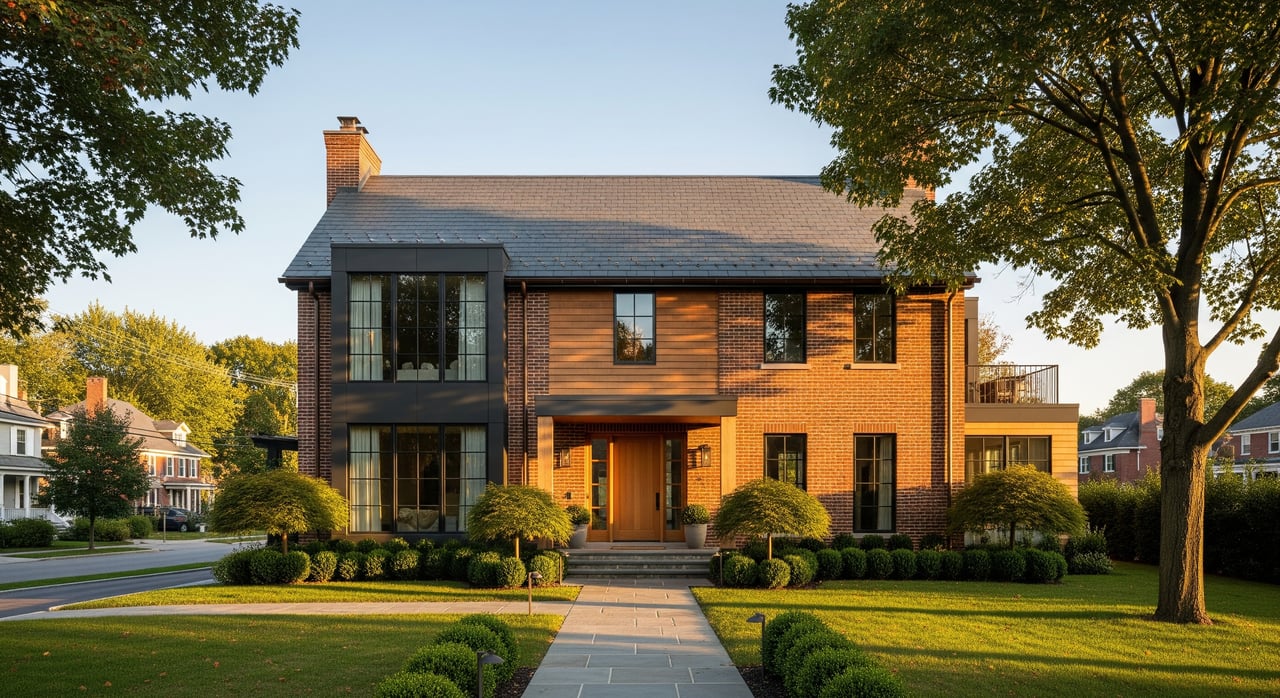
Thinking about buying in Hudson and torn between a brand‑new build or a well‑kept resale? You are not alone. The right choice depends on your timeline, budget, and comfort with customization and maintenance. In this guide, you will learn how new construction and resale stack up on cost, timing, inspections, HOAs, and long‑term value in Hudson so you can move forward with confidence. Let’s dive in.
Hudson market snapshot
Hudson offers a blend of older, established neighborhoods and newer planned subdivisions. Many buyers prioritize school options, lot size and privacy, mature landscaping, and commute times to Akron and Cleveland along the I‑80 and I‑77 corridors. These preferences often create price differences between well‑located older homes and newer communities.
You will find everything from quick‑move‑in homes to fully custom builds. Understanding where your needs line up with Hudson’s inventory will help you choose the best path.
New construction options
Production and spec homes
These are built on developer lots with standard plans and finish packages. You get faster delivery and predictable pricing, but customization is limited.
Semi‑custom homes
You choose a plan and personalize finishes and some structural options. Expect moderate flexibility, potential lot premiums, and firm deadlines for selections.
Fully custom homes
You start with your own plan on an individual lot. Timelines are longer and budgets need more contingency room, but you get full control over layout and finishes.
Total cost: new vs. resale
Purchase price and upgrades
- New construction often carries a higher price per finished square foot than comparable resale homes because of new systems, modern features, and builder profit. The premium varies by builder reputation, lot, and demand.
- Resale homes may offer a lower price per square foot but can require immediate updates or system replacements that add to total cost.
- For new builds, the base price usually includes limited allowances for flooring, cabinets, countertops, and appliances. Many buyers spend additional thousands on upgrades.
Financing and closing costs
- New builds can involve construction‑to‑permanent loans with interest‑only payments during the build and potentially higher fees. Some builders offer incentives or rate locks, which you should evaluate carefully.
- Resales typically use standard purchase mortgages. You may see more room for seller concessions like closing‑cost credits or rate buy‑downs.
- Appraisals can be tricky in brand‑new communities with few comparable sales. Plan for potential appraisal gaps and know your options with your lender.
Soft costs and immediate maintenance
- Resale homes may have deferred maintenance such as roof, window, or HVAC replacements. Budget for items flagged during inspection.
- New homes usually need additional dollars for window coverings, fencing, exterior lighting, driveway extensions, and landscaping beyond seed or sod. Many buyers also invest in irrigation and hardscaping to achieve a mature look.
Taxes and insurance
- Property taxes are based on assessed value and local levies. New construction is often reassessed upon completion, which can change your annual tax bill. Check the Summit County Auditor for parcel records and tax history.
- Insurance for new homes can be lower at first because systems are new, but factors like floodplain and well or septic can affect premiums. Builders may require specific builder’s risk coverage during construction.
HOA fees and reserves
- New subdivisions often have HOAs with monthly or annual fees that can rise as amenities are added. Review budgets and any reserve studies if available.
- Older neighborhoods might have no HOA or long‑standing associations with predictable dues. Early‑stage, developer‑controlled HOAs can start with low dues and increase later or add special assessments.
Timeline and process
New build timeline
- Spec or production homes typically complete in about 4 to 9 months from permit or start, depending on lot availability and builder schedules.
- Semi‑custom builds usually take 6 to 12 months, and fully custom can run 9 to 18 months or more based on scope and permitting.
- Allow for delays related to weather, materials, or change orders. Written expectations and deadlines help manage risk.
Resale timeline
- A resale purchase commonly closes in 30 to 60 days from contract, subject to financing, inspections, title, and appraisal. If you need to move fast, resale often provides quicker occupancy.
Key stages for new builds
- Lot selection and contract: review lot premiums, grading, and setbacks.
- Design and selections: choose finishes and structural options, and track change‑order deadlines.
- Permitting: City of Hudson or county permits set the official start to the build timeline.
- Site work and foundation: clearing, excavation, footings, and early inspections.
- Framing and rough‑ins: plumbing, electrical, HVAC, plus rough inspections.
- Insulation, drywall, finishes: paint, flooring, cabinets, and fixtures.
- Final inspections and certificate of occupancy: issued by the building department.
- Punch list and walk‑throughs: identify items to correct before or shortly after closing.
Appraisals and contingencies
- In new subdivisions with limited comps, appraisals can come in tight. Discuss appraisal gap strategies with your lender.
- New build contracts often use different contingency structures and may address construction schedules and financing in unique ways. Confirm how your deposit is protected and when you can cancel.
Inspections and warranties
New build inspections
- Municipal inspections verify code compliance at key stages such as foundation, framing, rough‑ins, insulation, and final. They are not full quality inspections.
- Independent inspections are recommended at pre‑drywall and pre‑closing. Focus on framing quality, drainage, waterproofing, and system installation.
- Use a detailed punch list at the final walk‑through and track warranty items after move‑in.
Resale inspections
- A single comprehensive inspection typically covers structure, roof, HVAC, plumbing, electrical, appliances, and moisture concerns.
- Older homes may need specialist evaluations such as roof, well, septic, or chimney, depending on property specifics and your inspector’s advice.
Builder warranties and post‑purchase coverage
- Many builders use a 1‑2‑10 warranty model: 1 year for workmanship and materials, 2 years for systems like electrical, plumbing, and HVAC, and 10 years for major structural defects.
- Always get the actual written warranty, including exclusions, claim procedures, and whether it is backed by a third party or self‑insured.
- Some buyers add a separate home warranty after the builder warranty period for appliances and systems. Compare coverage limits, deductibles, and claim processes.
Dispute resolution and documents
- Builder contracts often include mandatory arbitration. Review terms with a local real estate attorney if needed.
- Request copies of permits and final inspection reports. Keep dated photos and written communication for any warranty claims.
Neighborhood character and long‑term value
- Established neighborhoods often offer mature trees, built‑out landscaping, and immediate curb appeal. Many also have existing walking connections to parks or schools.
- New subdivisions provide modern layouts and newer infrastructure, with community amenities that take shape over time. Expect the neighborhood character to evolve during the first few years.
- In Hudson, both new and older homes can command premiums depending on micro‑location, school attendance zones, and commute patterns. Verify school boundaries directly with the Hudson City School District because zones can change.
- Resale value depends on comparable sales and community perception of builder quality for new homes. Older homes in prime locations near downtown Hudson or parks can hold or gain value due to location advantages.
Quick checklists
Questions for a new build
- What is included in the base price and what are the finish allowances?
- What are typical upgrade costs for flooring, cabinetry, countertops, and appliances?
- What is the estimated completion date and are there penalties for delays?
- Can you bring an independent inspector at pre‑drywall and final stages?
- What does the written warranty cover and who administers claims?
- What are the HOA fees, rules, and any planned assessments?
- Has the builder completed comparable homes in Hudson and can you tour finished examples?
- How are change orders handled and what are the markups?
- Which permits and inspections will be issued and can you receive copies?
Questions for a resale
- How old are the roof, HVAC, water heater, electrical panel, and plumbing?
- Were recent renovations permitted and inspected?
- Are there known issues or deferred maintenance items?
- What does the seller disclosure say about water intrusion, foundation, or pest issues?
- What are the annual utility costs and property tax history from the Summit County Auditor?
- Does the neighborhood have an HOA or recorded covenants?
Due diligence documents
- Permits and municipal inspection reports for new construction.
- Builder license info, warranty performance record, and references.
- HOA documents, including CC&Rs, bylaws, budgets, reserve studies, and meeting minutes.
- Recent comparable sales data and property tax history.
- Independent inspection reports for resale or phased inspections for new builds.
Which fits your plan?
Choose new construction if you want modern layouts, energy‑efficient systems, and the ability to personalize finishes, and you have a longer timeline and a buffer for upgrades and landscaping. The builder warranty can reduce early maintenance risk.
Choose a resale if you value quicker move‑in, mature landscaping, and a potentially lower price per square foot, and you are comfortable addressing updates as needed. Negotiations on price and concessions can help balance any near‑term improvements.
If you are still weighing the trade‑offs, list your top three priorities. For example, if immediate occupancy and location near established amenities rank highest, resale may fit. If customization and low initial maintenance top the list, a new build could be the better match.
Ready to compare homes in Hudson?
You do not have to figure it out alone. If you want a clear side‑by‑side plan, local builder insights, or a shortlist of resales that match your needs, connect with Shelly Booth. You will get patient guidance, organized timelines, and a smooth process from offer to closing.
FAQs
How long does new construction take in Hudson?
- Typical industry ranges are 4 to 9 months for spec or production, 6 to 12 months for semi‑custom, and 9 to 18 months or more for fully custom, depending on scope and permitting.
What extra costs should I expect with a new build?
- Budget for upgrades beyond base allowances plus window coverings, fencing, exterior lighting, driveway extensions, landscaping, irrigation, and hardscaping.
Are HOAs common in new Hudson subdivisions?
- Many new communities include HOAs with dues that can change as amenities are added, while older neighborhoods may have none or long‑standing associations with predictable budgets.
What inspections should I order for a new build?
- Add independent inspections at pre‑drywall and pre‑closing to supplement municipal inspections, focusing on framing, drainage, waterproofing, and system installation.
How do property taxes work on new construction in Summit County?
- New homes are commonly reassessed at completion, which can change the annual tax amount, so verify parcel records and tax history with the Summit County Auditor.