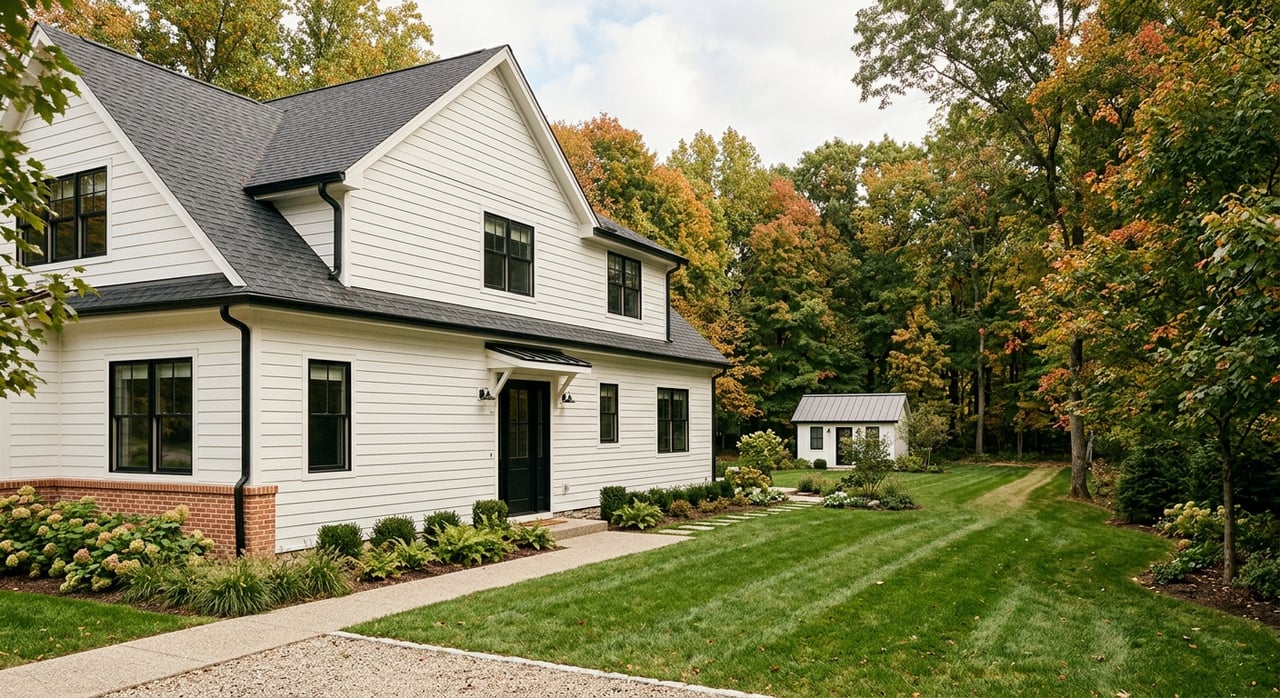
Dreaming about a home with room to spread out in Hartville? You are not alone. Many buyers want extra space for gardening, a larger outbuilding, a little more privacy, or simply a property that feels less boxed in. The key is knowing that “land” can mean very different things depending on where the property sits and how it is zoned. This guide will help you understand what to look for, what questions to ask, and how to buy with more confidence. Let’s dive in.
What “home with land” means in Hartville
In Hartville, a home with land does not always mean a large rural farm. The local market includes a mix of village-style lots and larger acreage properties in the greater Hartville area. That matters because your day-to-day use of the property may depend just as much on location and zoning as it does on the number of acres.
Within the Village of Hartville, zoning districts include A-1 Agricultural, R-1 Single Family Residence, and R-2 One & Two Family Residence. The village code shows that some residential lots are sized much more like suburban parcels than open farmland. So if you are picturing a hobby farm or a homesite with room for multiple extras, you will want to look beyond the headline acreage and study the property details closely.
Lot sizes can vary widely
Hartville-area properties can range from smaller residential lots to multi-acre tracts. Current listing examples in and around Hartville show lots around 0.38 acres, 4 acres, 4.3 acres, 5.02 acres, 6.06 acres, 8.26 acres, and even parcels above 20 acres. That is not a formal market average, but it does show the wide spread buyers may encounter.
Inside village zoning, minimum lot sizes can be smaller than many buyers expect. In the A-1 Agricultural District, a dwelling is allowed on 20,000 square feet of lot area, while other permitted uses need 1 acre. In the R-1 and R-2 districts, the minimum lot area for single-family dwellings is 15,000 square feet.
That means two properties can both be described as having “land” while offering very different lifestyles. One may feel like a larger neighborhood lot, while another may support a more open, country-style setup. This is why reviewing the parcel map, survey, zoning district, and utility setup is so important before you make an offer.
Zoning matters more than acreage alone
If you want space for a garden, fruit trees, extra storage, pets, or a hobby-farm feel, zoning should be one of your first checkpoints. In Hartville, the A-1 Agricultural District is intended to preserve land for agricultural uses until development pressure warrants rezoning. Principal permitted uses include agriculture and related uses, single-family dwellings, parkland and open space, and private non-commercial recreation areas and centers.
Hartville defines agriculture broadly enough to include crops, horticulture, floriculture, and viticulture. The code also defines animal husbandry as keeping or raising domestic animals incidental to agricultural use. In the A-1 district, the keeping of animals and fowl as pets or for domestic use is also allowed.
For buyers, that creates real opportunity, but only on the right parcel. You should not assume that having a big yard automatically means you can use it the way you want. A property’s zoning district, lot configuration, and local requirements will shape what is actually possible.
Permits are part of the process
A home with land often comes with plans for future improvements. Maybe you want to add a shed, build a garage, install a fence, or create an outdoor living area. In Hartville, zoning permits are required for a new home, shed, deck, garage, room addition, fence, and both above-ground and in-ground pools.
Permit applications must show lot dimensions, the home’s location, and the proposed structure’s setbacks from the lot lines. That is especially important if you are buying a property because of what you hope to add later. Before closing, it is wise to confirm that your plans fit the parcel as it exists today.
Accessory-building rules are another detail worth reviewing early. Hartville’s accessory-building sheet says a shed must be at least 6 feet from alley lines and from any separate structure, and at least 3 feet from the rear and side lot lines. It also says an accessory building may not occupy more than 30 percent of the required rear yard and may not exceed the size of the principal structure or 800 square feet, whichever is less.
Utilities can change from parcel to parcel
One of the biggest differences between a standard suburban home and a home with land is utility infrastructure. The Village of Hartville operates a wastewater treatment plant serving businesses and about 2,300 residents, but not every property in the broader area will connect the same way. Some parcels may have public sewer access, while others may rely on an on-site system.
Stark County rules say that when public sanitary sewer is not available, the building sewer must connect to a household sewage treatment system, small-flow on-site sewage treatment system, or semi-public sewage disposal system approved by the health department or Ohio EPA. For buyers, that means utility questions should be part of your very first showing conversation, not an afterthought during inspections.
Water service can vary too. Stark County reports more than 39,500 private wells countywide, which shows how common private water systems are in the area. The county’s guidance notes that private systems may include drilled, driven, or dug wells, cisterns, or springs, and that property-transfer evaluations are available.
Septic and well systems need ongoing care
If the property is not on public sewer or public water, you should plan for more than just the purchase price. Septic systems work well only when they are properly designed, installed, and maintained. Stark County also notes that aerated systems are common in Stark County and the Hartville area, require continuous operation, and need routine maintenance.
That is a big budgeting point for acreage buyers. Septic is not simply a box to check on a listing sheet. It can be an ongoing ownership cost that affects maintenance, service planning, and how you evaluate the overall affordability of the property.
If you are thinking about building on vacant land or heavily modifying an existing homesite, the timeline may be longer than expected. Stark County’s septic checklist shows that new residential septic permits involve soil evaluation, an on-site lot review, and a design plan. In other words, land that looks ideal on paper may still need technical review before it is truly build-ready.
Ask if the parcel is in the village or township
This is one of the simplest questions you can ask, and one of the most helpful. Is the property inside village limits, or is it in a surrounding township? The answer can affect permitted uses, lot standards, utility access, and the overall feel of ownership.
Hartville’s village code is more compact and lot-specific than what buyers may expect from a more rural setting. So the same acreage amount can mean very different things from one parcel to another. A 1-acre property in one area may function very differently from a similar-sized parcel elsewhere.
As you compare options, try to think in terms of usable land, not just total land. You are buying the reality of the property, not the headline number in the listing.
Budget for the land, not just the house
Extra land can be a wonderful feature, but it usually comes with extra upkeep. Buyers should budget for ongoing costs such as mowing, tree and brush work, septic service, and possible well testing or treatment. Those expenses may not show up clearly in the list price, but they can shape your ownership experience over time.
Hartville also maintains active property maintenance standards. The zoning department says grass and weeds must be 8 inches or less, accessory structures such as sheds and fences must be kept in good repair, and non-operable vehicles must be enclosed or otherwise stored properly. If you love the idea of land but not the idea of maintenance, it is worth being honest with yourself before you buy.
A great property is not just one you can afford to purchase. It is one you can comfortably maintain and enjoy.
A smart due diligence checklist
Before you move forward on a Hartville home with land, make sure you have answers to the basics.
- Confirm whether the property is inside the Village of Hartville or in a surrounding township.
- Identify the zoning district and ask what uses are permitted.
- Ask whether the home uses public sewer, septic, public water, or a private well.
- Review any available survey, lot dimensions, and setback details.
- If you want a shed, garage, fence, pool, or other improvement, ask whether permits will be required.
- Budget for mowing, tree care, septic service, and possible well testing or treatment.
- If the property is vacant land or a future build site, ask about soil review, septic permitting, and utility feasibility.
These steps can help you avoid surprises and focus on properties that truly fit the way you want to live.
Why local guidance helps
Buying a home with land usually involves more moving parts than buying a standard neighborhood lot. You may be comparing zoning rules, private utilities, maintenance costs, and future use options all at once. That is where having a patient, detail-focused guide can make the process feel much more manageable.
If you are exploring homes with land in Hartville or nearby Northeast Ohio communities, working with someone who can help you sort through the practical details can save time and stress. When you are ready to talk through your goals, connect with Shelly Booth for knowledgeable, personalized guidance.
FAQs
What lot sizes are common for homes with land in Hartville, OH?
- Hartville-area listings show a wide range, from smaller lots around 0.38 acres to parcels above 20 acres, while village residential zoning can still reflect more suburban-style lot sizes.
What zoning districts should buyers know in Hartville, OH?
- Buyers should pay close attention to A-1 Agricultural, R-1 Single Family Residence, and R-2 One & Two Family Residence because each district can affect lot standards and allowed uses.
Can you keep animals on a property in Hartville, OH?
- Hartville’s A-1 district allows agriculture-related uses, and the code states that keeping animals and fowl as pets or for domestic use is allowed in that district.
Do you need permits for sheds or fences in Hartville, OH?
- Yes. Hartville requires zoning permits for items such as sheds, decks, garages, room additions, fences, and pools.
Are septic systems common for homes with land in Hartville, OH?
- Some properties may be served by public sewer, but where public sanitary sewer is not available, approved on-site sewage systems are required, so septic can be an important part of your property search.
Are private wells common in Stark County, OH?
- Yes. Stark County reports more than 39,500 private wells countywide, so private water systems are an important factor for many land buyers in the area.
What should buyers budget for when buying land in Hartville, OH?
- In addition to the purchase price, buyers should plan for costs like mowing, tree and brush work, septic service, and possible well testing or treatment.