If you need to sell a Hartville home while living in another state, you are not alone, and you do not have to manage every detail from afar by yourself. Remote sales can feel stressful because you are trying to coordinate repairs, paperwork, showings, and closing steps without being on site. The good news is that with the right local plan, selling from out of state can be organized, efficient, and much less overwhelming. Let’s dive in.
Why Out-of-State Selling Takes Planning
Selling a home in Hartville from another state is absolutely possible, but it usually works best when you treat it like a project that needs local oversight. You still need to prepare the property, handle required documents, and stay on top of closing details, even if you are hundreds of miles away.
That local oversight matters in Hartville because exterior condition is not just about first impressions. The Village of Hartville zoning department requires owners to maintain yards and structures, including weeds and grass, sheds, fences, doors, windows, and roofing. If the home has been sitting vacant or lightly monitored, this should be part of your pre-list checklist.
Start With the Home’s Condition
Before the listing goes live, your first priority is understanding the property’s current condition. If you have not seen the home in person recently, it helps to get updated photos, a room-by-room review, and a clear list of visible issues.
For many out-of-state sellers, the biggest early wins come from simple prep work. That can include yard cleanup, basic repairs, deep cleaning, clutter removal, and making sure the exterior looks cared for and compliant. In a village like Hartville, this is about both presentation and practical upkeep.
Focus on Exterior Maintenance
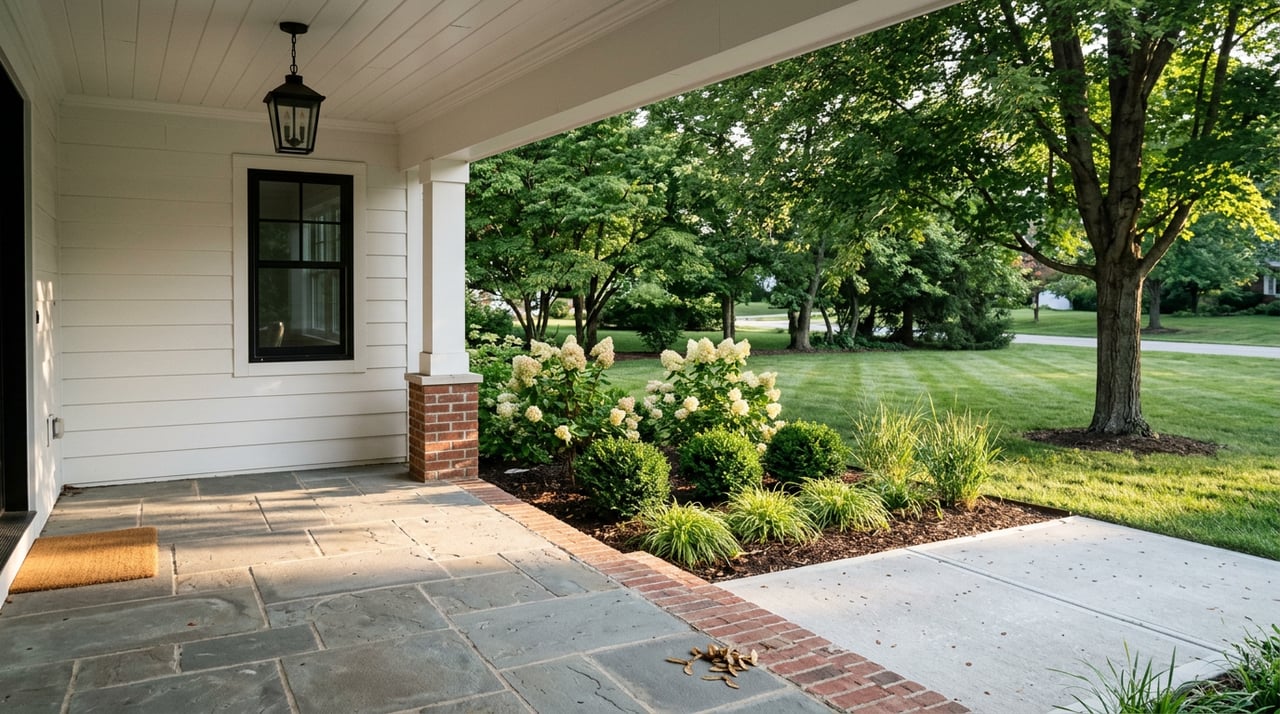
If the grass is overgrown, a fence is leaning, or trim and doors look neglected, buyers will notice right away. Just as important, Hartville’s local maintenance standards mean these issues should not be ignored while the property is being prepared for sale.
A strong remote-selling plan usually includes local vendor coordination for:
- Lawn care and landscaping
- Trash or debris removal
- Handyman repairs
- Cleaning services
- Window or exterior touch-ups
Use a Concierge-Style Prep Plan
When you are out of state, it helps to have one person coordinating the moving parts instead of trying to juggle several vendors on your own. A concierge-style approach keeps the process more manageable and gives you one clear line of communication.
That type of support is especially valuable if the home is vacant, inherited, or has deferred maintenance. Frequent updates, photos, and checklists can help you make decisions quickly without needing to travel back and forth.
Know Ohio’s Disclosure Rules
One of the most important parts of selling from out of state is handling disclosure paperwork correctly. In Ohio, the residential property disclosure law generally applies to transfers of residential real property with one to four dwelling units.
The seller is required to complete the state disclosure form based on the seller’s actual knowledge. The form covers topics such as water supply, sewer system, roof, foundation, walls, floors, and hazardous materials including lead, asbestos, and radon, along with other material defects the seller knows about.
Timing Matters
Ohio law says the disclosure form should be delivered as soon as practicable. Delivery may be made by personal delivery, ordinary mail, certified mail with return receipt requested, or fax.
The buyer must acknowledge receipt by signing and dating the form. If the buyer receives the disclosure after a contract is already in place, the buyer may have a limited right to rescind in writing within three business days after receipt, subject to the timing limits set by Ohio law.
If You Learn Something New
If you discover new information after delivering the disclosure form, Ohio law allows the disclosure to be amended in writing. That matters for remote sellers because issues sometimes come to light during cleaning, repairs, inspections, or routine property checks.
Being prompt and accurate helps reduce surprises later. It also helps keep the transaction moving with fewer avoidable delays.
Inherited Homes May Be Different
If you inherited the Hartville property, the standard disclosure form may not apply in every case. Ohio exempts some inherited transfers, including certain situations where the seller did not occupy the property as a personal residence within the prior year and acquired it through inheritance or devise.
Still, this is not something to guess on. Before anyone decides to skip the disclosure form, the exemption should be confirmed with the title company or attorney involved in the transaction.
Remote Signing and Closing in Ohio
One of the most common questions out-of-state owners ask is whether they need to come back to Ohio to sell. In many cases, the answer is no, but the paperwork and notarization process must still follow Ohio rules.
Ohio allows remote online notarization through an authorized Ohio online notary. The notary must be physically located in Ohio, while the signer may be outside Ohio. The process uses live audio-video communication, identity proofing, credential analysis, and an electronic journal.
What That Means for You
A properly completed remote online notarization in Ohio is treated as an original document. That can make remote closing much more practical for sellers who have relocated, are handling an estate, or simply want to avoid unnecessary travel.
Even so, do not assume every document or closing step will happen the same way in every transaction. It helps to confirm the signing plan early so you know what will be signed electronically, what may require notarization, and what deadlines you need to watch.
Marketing Matters More When You Are Away
When buyers cannot meet you and you are not there to make last-minute improvements during showings, the listing itself has to do more of the heavy lifting. That is why strong visual marketing matters so much in an out-of-state sale.
Professional photography, video, virtual tours, and floor plans can help buyers understand the home more clearly before they visit. NAR’s 2024 marketing guidance recommends providing as much visual information as possible and notes that walkthroughs can also be offered through tools like Zoom or FaceTime.
Staging Helps Buyers Picture the Home
Good presentation can shape how quickly buyers connect with a property online. NAR’s 2025 staging research found that 83% of buyers’ agents said staging made it easier for buyers to picture a home as a future residence.
If the home is vacant, virtual staging may also help listing photos feel more readable and inviting. NAR describes virtual staging as digital software that adds furniture or décor to listing photos, which can be useful when the seller cannot furnish or style the property during the listing period.
Title and Deed Details Need Accuracy
Remote sales still involve the same core pre-closing steps as other transactions. Escrow holds funds and documents through a third party, lenders typically require a title search to verify ownership, and buyers may also have appraisal and inspection steps before closing.
In Stark County, deed and conveyance details need to be handled carefully. County conveyance standards emphasize correct parcel numbers, prior references, deeded names, and legal descriptions that identify the city, township or village, county, and state, along with lot or plat references when applicable.
Use Official Records
If you are gathering ownership details from afar, rely on official records rather than screenshots or third-party property data. Stark County’s public real-estate site warns that data may change and says users should rely on original recorded documents for legal transactions.
The Stark County Tax Map Department may help explain parcel numbers, prior references, and legal descriptions. It can also help check descriptions before conveyance, which may help avoid delays, though it cannot prepare deeds or give legal advice.
Protect Yourself From Wire Fraud
Out-of-state sellers should be especially careful during closing because distance can make fraud harder to spot. One of the biggest risks is receiving fake last-minute wiring instructions by email.
The CFPB warns that scammers often try to create urgency and redirect funds. A safer approach is to verify wire instructions independently, use trusted contact information you already have, and avoid phone numbers or directions included in a suspicious email.
Smart Safety Steps
To reduce risk during your Hartville sale:
- Verify any wiring instructions through a trusted, known contact
- Be cautious of last-minute changes sent by email
- Avoid using phone numbers or instructions from suspicious messages
- Contact your bank or wire company immediately if you suspect fraud
What Makes a Remote Hartville Sale Feel Easier
Most out-of-state sellers do not need more information. They need a clear plan and consistent communication. The process feels more manageable when you know the property is being checked on, the prep work is organized, the paperwork is on track, and you are getting updates without chasing people down.
That is where a detail-oriented, local, service-first approach can make a real difference. Having someone coordinate repairs, cleaning, staging, photography, and closing logistics can help you stay focused on your move while the sale moves forward.
If you are getting ready to sell a Hartville home from out of state, working with a local professional who can manage details on the ground can save time, reduce stress, and help you avoid costly missteps. When you want steady guidance, responsive communication, and concierge-style support, connect with Shelly Booth.
FAQs
Can you sell a Hartville home without traveling back to Ohio?
- Often, yes. Ohio allows remote online notarization through an authorized Ohio online notary, which can make remote signing and closing possible for out-of-state sellers.
Do out-of-state owners need the Ohio property disclosure form?
- Usually, yes. Ohio’s residential property disclosure law generally applies to transfers of residential real property with one to four dwelling units, unless a legal exemption applies.
Are inherited Hartville homes exempt from Ohio disclosure rules?
- Some inherited transfers may be exempt under Ohio law, but the title company or attorney should confirm the exemption before the form is skipped.
What should you fix before listing a Hartville home from out of state?
- Start with visible condition issues such as yard maintenance, exterior upkeep, cleaning, clutter, and basic repairs, especially because Hartville requires owners to maintain yards and structures.
How can remote sellers help buyers understand the home better?
- Strong visual marketing helps. Professional photos, video, virtual tours, floor plans, and in some cases virtual staging can make the property easier for buyers to understand online.
How do you verify property details for a Stark County sale?
- Use official recorded documents and county sources for legal transaction details, since Stark County’s public real-estate site warns that property data may change.